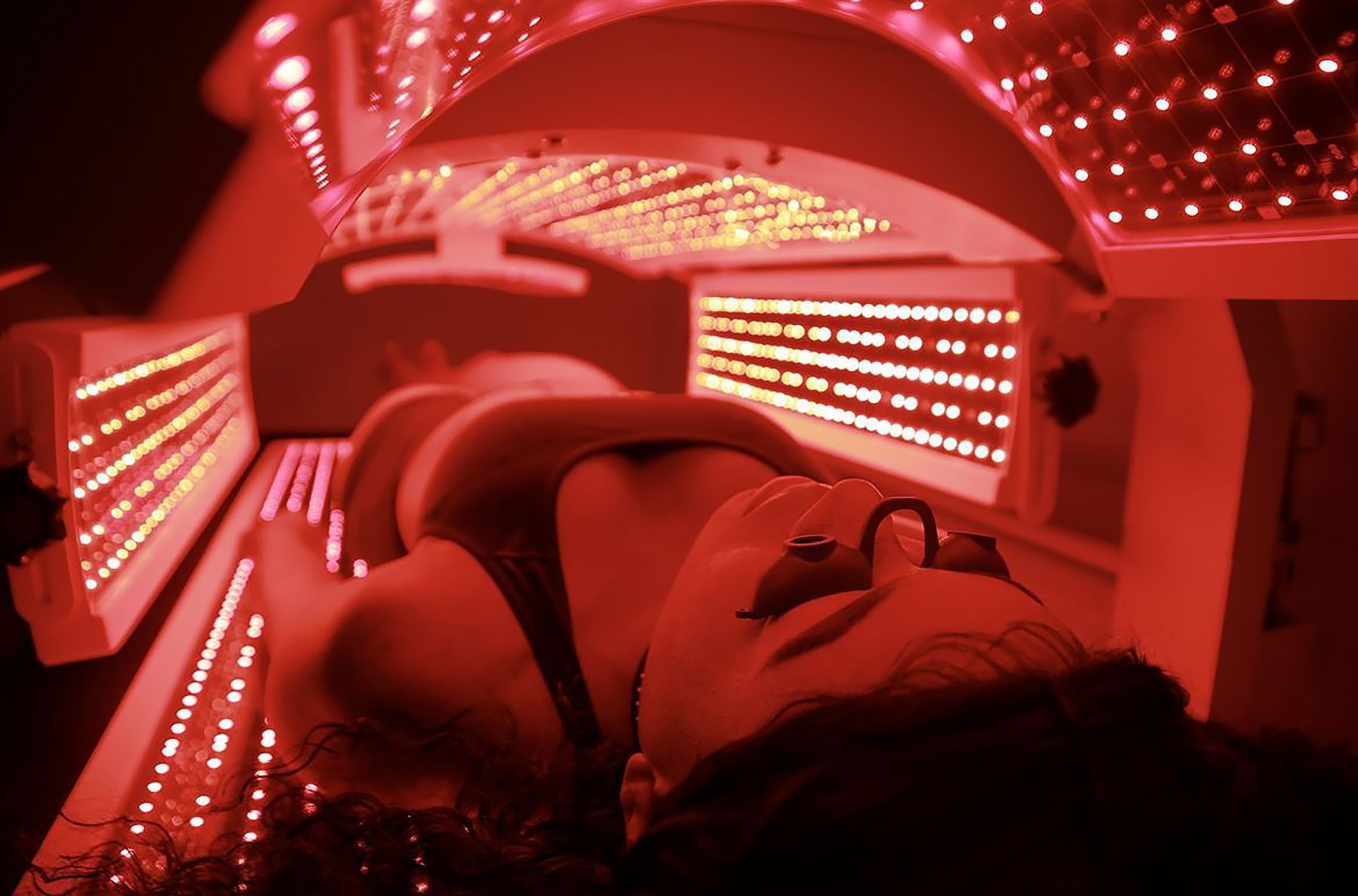
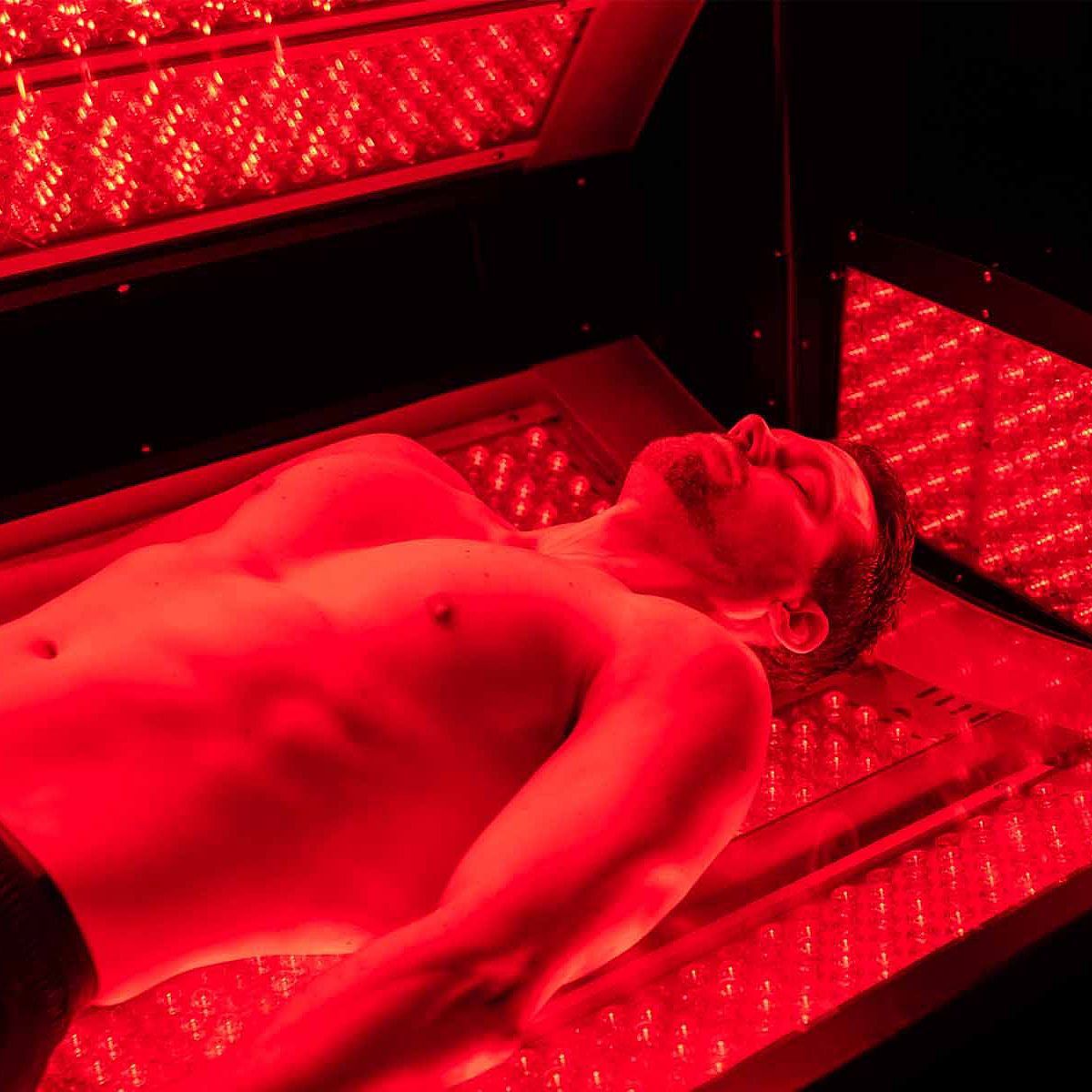


Beyond the Hype: What the Research Actually Says About Red Light Therapy, Laser Therapy, and Photobiomodulation

By Dr. Joseph Anderson, DC — Doctor of Chiropractic, B.S. in Athletic Training, Precision Nutrition Level 2 Master, co-owner of Olathe Chiropractic. Published September 2026.
Are you wondering, does Red Light Therapy have any credible research behind the claims for health
Quick answer: Yes, red light therapy and low-level laser therapy have real research behind them — but with caveats. The evidence for pain relief and inflammation reduction is strong, especially when paired with exercise. The evidence for metabolism and weight loss is real but early-stage. And before you pay for treatment anywhere in Olathe or Johnson County — or buy a device for home — always confirm it's FDA-cleared, not just FDA-registered. Here's what the actual studies show.
Red light panels are showing up in gyms, spas, and living rooms across the country, and search interest in "red light therapy" and "photobiomodulation" has climbed steadily over the past few years. At Olathe Chiropractic Clinic, we get asked about it almost every week — usually some version of "does this stuff actually work, or is it just marketing?"
It's a fair question, and it deserves a real answer grounded in research rather than in whatever a supplement company's Instagram ad claims. So we pulled the current science on low-level laser therapy (LLLT), photobiomodulation (PBM), and red light therapy — three names that largely describe the same underlying technology — and looked specifically at what's been shown for pain relief, inflammation, and the newer, more exploratory research on metabolic health and weight management.
We're also covering something most patients never think to ask: the difference between an "FDA registered" device and an "FDA cleared" one, which matters a lot whether you're choosing a clinic here in Johnson County or shopping for a device to use at home.
What Is Low-Level Laser Therapy (Photobiomodulation), Really?
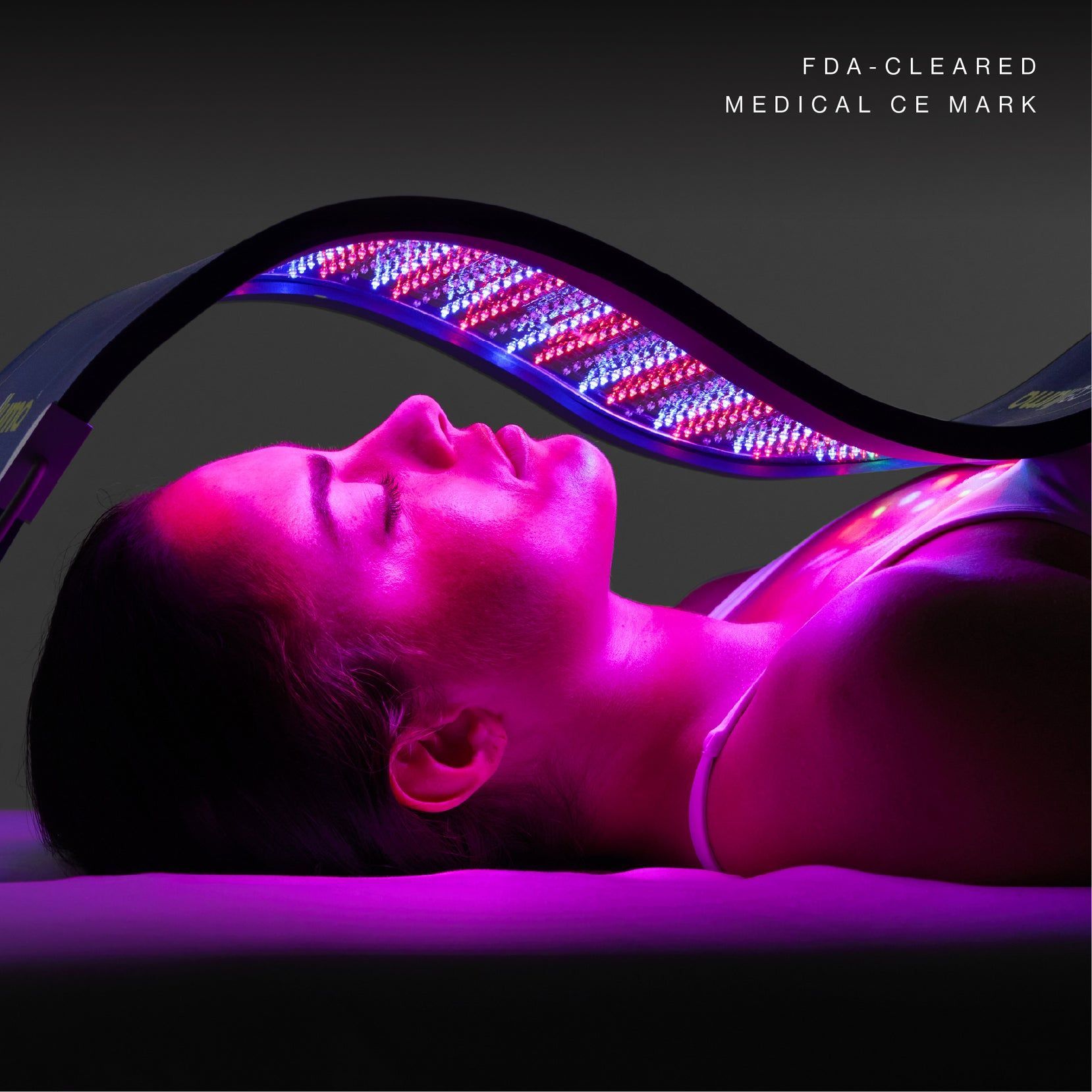
"Red light therapy," "low-level laser therapy," and "photobiomodulation" (PBM) all refer to treatments that use specific wavelengths of red and near-infrared light — typically somewhere in the 600–1000 nanometer range — to trigger a biological response in tissue.
Photobiomodulation is the clinical term researchers use because it more accurately describes what's happening: the light is absorbed by mitochondria (the energy-producing structures inside cells), which appears to boost ATP production, modulate oxidative stress, and influence inflammatory signaling (Navarro-Ledesma et al., 2023, Healthcare).
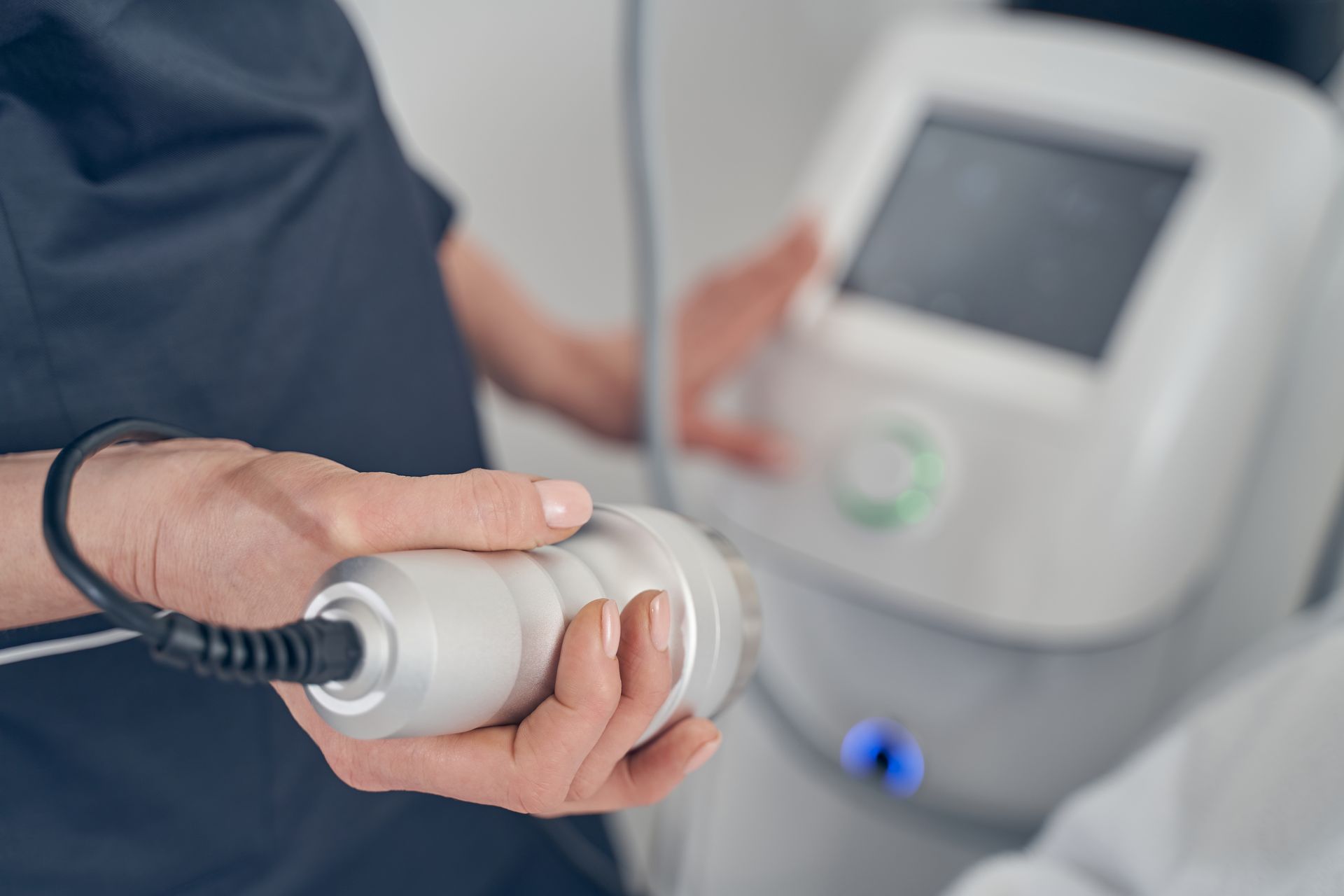
It's worth noting that not all "red light" products are equivalent. Clinical-grade lasers used in a chiropractic or physical therapy setting deliver a specific, measured dose (irradiance and energy density) to a targeted area, under a treatment protocol — which is quite different from a consumer LED panel used for general at-home wellness.
That distinction matters for the research review below, and it matters even more for the FDA section further down.
The Research on Pain Relief and Inflammation
This is where photobiomodulation has the deepest evidence base. A 2023 literature review in Healthcare analyzed 11 randomized controlled trials and found that PBM positively influenced chronic pain in the majority of studies reviewed, with measurable improvements in pain thresholds and mobility for knee osteoarthritis, meaningful reductions in fibromyalgia pain when PBM was combined with exercise over a 10-week program, and significant reductions in inflammatory markers such as IL-6, IL-8, and TNF-α in studies that measured them directly (Navarro-Ledesma et al., 2023).
A more recent systematic review (2026, Sport Sciences for Health) looked specifically at musculoskeletal rehabilitation and reported some of the clearest numbers to date: PBM therapy decreased mean pain scores by roughly 32% compared with sham treatment across conditions including knee osteoarthritis, tendinopathies, low back pain, and post-operative pain, while disability and function scores improved 18–25%.
Perhaps most relevant to how we practice, the review found that combining PBM with an exercise program produced a synergistic effect — a 25% improvement in strength outcomes and a 30% reduction in delayed-onset muscle soreness compared with exercise alone — and noted an 85% patient compliance rate with continued pain reduction at 12 weeks when PBM was used at home as part of a guided program (Timimi et al., 2026). No serious adverse events were reported across the studies included.
The consistent theme across this research: photobiomodulation isn't a standalone miracle cure, but as an adjunct to an active recovery plan — the kind that pairs it with targeted exercise — the evidence for pain and inflammation reduction is genuinely solid.
Emerging Research: Photobiomodulation and Metabolic Health
This is the newer, more exploratory frontier, and it's the specific study our team was asked to look into. A randomized crossover study published in October 2025 in Nutrients examined whether whole-body photobiomodulation could acutely affect resting metabolism in women with obesity (Codella et al., 2025, Nutrients; also indexed on PubMed Central).
Researchers exposed 16 women with obesity (average BMI 36) and 16 normal-weight women to a combination of red (633–660 nm) and near-infrared (850–940 nm) light at 129 mW/cm² for 12 minutes across the front and back of the body.
In the group with obesity, resting energy expenditure increased by 9.3% immediately after treatment (1,624 vs. 1,486 kcal/day, p < 0.001), while the respiratory exchange ratio stayed stable — meaning the body wasn't simply shifting which fuel it was burning, but appeared to be burning more energy overall at rest.
The authors proposed that improved mitochondrial efficiency and enhanced local blood flow are the likely mechanisms, and the study also noted secondary benefits: participants reported lower perceived exertion and improved flexibility after treatment.
It's important to be precise about what this study does and doesn't show. This is a single acute-exposure study with a modest sample size, and the researchers themselves describe photobiomodulation as a "promising non-invasive adjunctive strategy," not a weight-loss treatment on its own — they explicitly call for larger, longer-term studies before any stronger claims are warranted.
Related earlier research has explored PBM's role in adipose tissue and metabolic markers with similarly cautious conclusions.
The honest takeaway: there's a real, measurable, mitochondrially-mediated metabolic effect worth taking seriously, but it belongs alongside nutrition, activity, and sleep as one piece of a metabolic health strategy — not a replacement for any of them.

Why We Pair Laser Therapy with Radial Shockwave and Therapeutic Exercise
The research above is a big part of why photobiomodulation rarely stands alone in our treatment plans. For soft tissue injuries and stubborn chronic pain, we often combine laser therapy with radial shockwave therapy — which mechanically stimulates blood flow and tissue remodeling in a different way than light does — and then reinforce both with a therapeutic exercise program.
The systematic review data above backs this approach directly: PBM plus targeted exercise outperformed either one alone for strength recovery and soreness reduction.
Layering these tools is not about doing more for the sake of it; each one is addressing a different part of the healing process.
FDA Registration vs. FDA Clearance: What to Actually Look for Before You Invest
This is the part of the red light therapy conversation that gets skipped most often, and it's genuinely important if you're evaluating either a clinic or a home device.
You'll see red light and laser devices marketed as "FDA registered," "FDA cleared," and occasionally "FDA approved," and these terms are not interchangeable — even though marketing copy frequently treats them that way.
FDA registered / listed simply means a manufacturer has listed their business and product with the FDA. It is an administrative step, not a review. Registration says nothing about whether the device works, is safe for its stated purpose, or has been tested for the claims on the label. Almost any company can register.
FDA cleared (510(k)) is a meaningfully higher bar. To receive 510(k) clearance, a manufacturer must demonstrate to the FDA that the device is "substantially equivalent" to another legally marketed device — meaning comparable intended use, energy delivered, performance, and safety profile. This is the standard pathway for the Class II lasers and light therapy devices used clinically for indications like temporary pain relief or increased local blood circulation (FDA.gov).
FDA approved is reserved almost exclusively for higher-risk Class III devices and pharmaceuticals that go through extensive clinical trials. Most laser and light therapy devices — clinical or consumer — are cleared, not approved, and any product claiming outright "FDA approval" for a light therapy device should be treated with real skepticism.
Here's why this distinction matters practically:
A clinic-grade laser used for a specific therapeutic indication should be 510(k) cleared for that indication — you can verify this yourself in the FDA's public 510(k) database by searching the manufacturer or device name.
Many popular consumer red light panels, by contrast, are only FDA registered as general wellness or cosmetic devices — not cleared for treating pain, inflammation, or any medical condition — even when their marketing language implies clinical-grade results.
That doesn't necessarily make a home device useless, but it does mean the specific outcomes discussed in the research above were measured using controlled, dosed clinical equipment, not necessarily whatever panel shows up first in a product search.
Before investing in either a clinic's care plan or a home device, it's worth asking two direct questions: Is this specific device cleared for this specific indication, and can you show me the clearance number?
A clinic or company that can answer clearly is one worth trusting your money and your recovery to.
Frequently Asked Questions
Is red light therapy the same thing as low-level laser therapy?
Functionally, yes. "Red light therapy," "low-level laser therapy," and "photobiomodulation" describe the same underlying mechanism — red and near-infrared light triggering a cellular response — though the equipment, dose, and regulatory status behind each product can differ significantly.
Does red light therapy help with weight loss?
Early research shows a real, measurable increase in resting energy expenditure (9.3% in one 2025 study) after a single treatment session, likely tied to improved mitochondrial efficiency. It's a promising adjunct, not a proven stand-alone weight-loss treatment, and it works best alongside nutrition and activity — not in place of them.
Is red light therapy FDA approved?
Almost never — and that's normal. Most legitimate red light and laser therapy devices are FDA cleared through the 510(k) pathway, not "approved," which is a separate, higher bar reserved mostly for Class III devices and drugs. Be cautious of any device marketed as "FDA approved."
What's the difference between the laser therapy used in a clinic and an at-home red light panel?
Clinical-grade lasers deliver a specific, measured dose to a targeted area under a treatment protocol, and the device itself should be FDA-cleared for that specific therapeutic use. Many consumer panels are only FDA-registered as general wellness devices, which is a much lower regulatory bar.
How many sessions does it typically take to notice results?
Research on musculoskeletal conditions shows continued pain reduction over roughly 12 weeks of consistent treatment, with strong compliance and outcomes when it's paired with an exercise program rather than used alone.
Does Olathe Chiropractic combine laser therapy with other treatments?
Yes. We typically pair FDA-cleared laser therapy with radial shockwave therapy and an individualized therapeutic exercise plan, since the research shows better outcomes from combining approaches than from any single tool alone.
The Takeaway for Patients
The research on photobiomodulation for pain and inflammation is genuinely strong, particularly when it's paired with an active rehabilitation plan.
The research on metabolic health and weight management is real but early — promising enough to watch closely, not yet strong enough to build a treatment plan around in isolation.
And regardless of where you receive treatment, understanding the difference between "registered" and "cleared" is one of the simplest ways to protect yourself as a consumer.
At Olathe Chiropractic Clinic, we use FDA-cleared laser therapy alongside radial shockwave therapy and individualized therapeutic exercise programs to treat soft tissue injuries and chronic pain for patients throughout Olathe and Johnson County — combining the tools the research actually supports rather than chasing a single trend.
If you've been dealing with a nagging injury or chronic pain and you're curious whether this approach is right for you, call us at (913) 839-8643 or schedule a consultation online: