


Advanced Radial Shockwave Therapy in Olathe, KS
Thorough Evaluation. Clear Diagnosis. Targeted Correction.
$59 Fall TV Special!
Appointments Are First Come First Served
WE HAVE BEEN FEATURED IN AFFILIATES OF:

Radial Shockwave Therapy at Olathe Chiropractic™
Radial Shockwave Therapy at Olathe Chiropractic is designed for patients dealing with chronic tendon and soft tissue conditions that have not responded to traditional conservative care.
Many people try rest, stretching, ice, anti-inflammatory medication, or basic therapy without lasting relief. When pain persists, it is often because the tissue has entered a degenerative state where natural healing has slowed or stalled.
Shockwave therapy works by stimulating a controlled healing response in the affected tissue. Instead of masking symptoms, it promotes cellular activity, increases circulation, and encourages tissue regeneration.
If you are dealing with stubborn heel pain, Achilles tendon irritation, tennis elbow, or chronic shoulder tendonitis, this advanced treatment may help accelerate recovery.
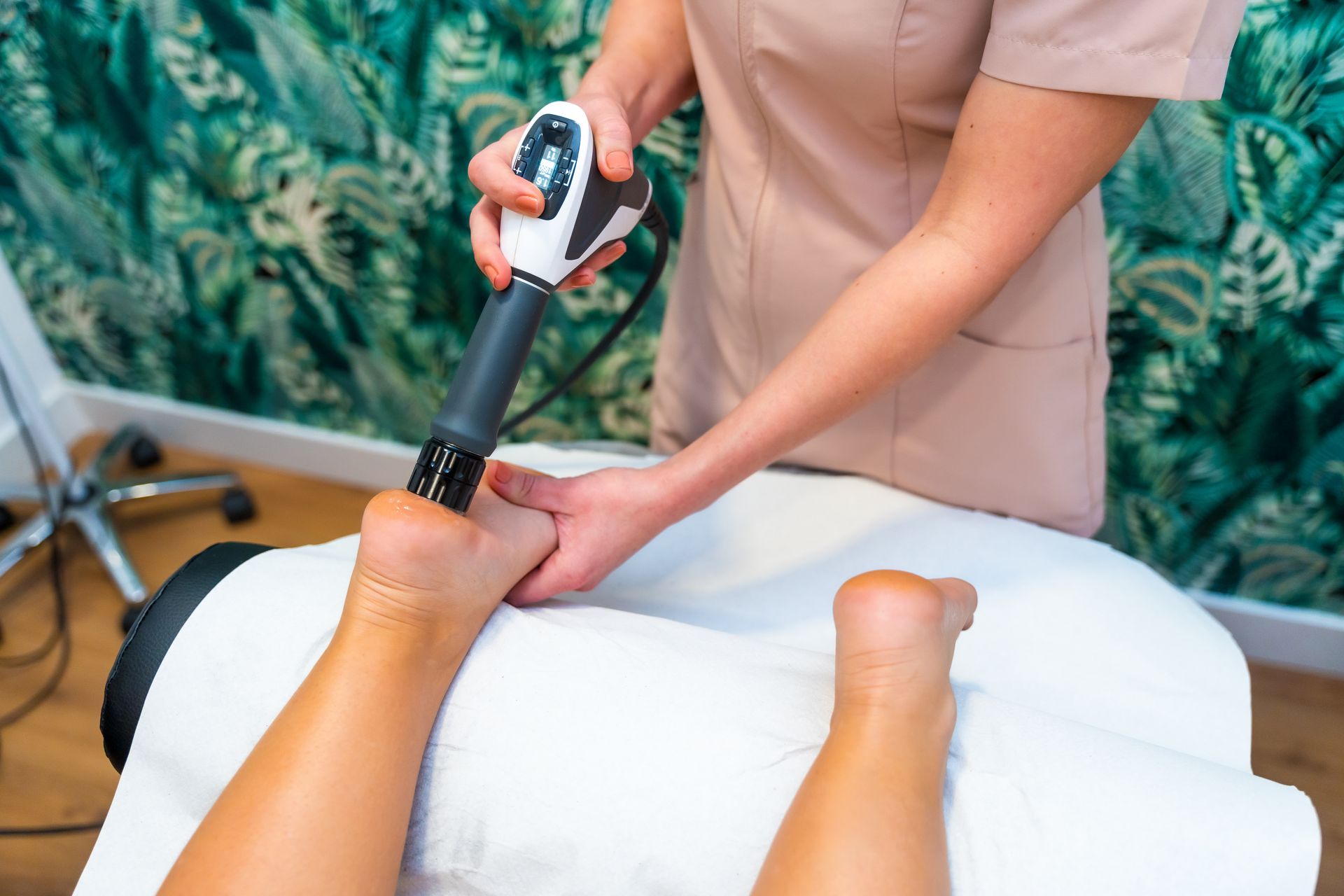
Photo Credit: Envato
What Is Radial Shockwave Therapy and How Does It Work?
Radial shockwave therapy is an advanced, non-invasive treatment designed to stimulate healing in chronically irritated or degenerative soft tissue. It uses high-energy acoustic pressure waves that are delivered directly into the affected area through a handheld applicator. These acoustic waves travel through the tissue and create controlled mechanical stimulation at a cellular level.
In many chronic tendon conditions, the body’s natural healing process has slowed or stalled. Instead of healthy inflammation followed by repair, the tissue enters a degenerative state characterized by reduced blood flow, disorganized collagen fibers, and persistent pain. Simply resting the area or taking anti-inflammatory medication may temporarily reduce discomfort, but it often does not correct the underlying tissue dysfunction.
Radial shockwave therapy works by reactivating the body’s natural healing response. The acoustic pulses create a microtrauma effect that stimulates increased circulation, promotes the release of growth factors, and encourages collagen production within the damaged tendon or fascia. This controlled stimulation helps break up calcification or scar tissue, improves cellular activity, and initiates a remodeling process that strengthens the tissue over time.
Unlike passive treatments that focus solely on symptom relief, shockwave therapy addresses the structural health of the tissue itself. By improving blood flow and triggering regeneration, it helps restore load tolerance and resilience within the tendon or fascia. This makes it especially effective for chronic conditions such as plantar fasciitis, Achilles tendinopathy, tennis elbow, and other overuse injuries that have not responded to traditional conservative care.
At Olathe Chiropractic, shockwave therapy is not used indiscriminately. It is recommended only when evaluation findings indicate tendon degeneration or chronic soft tissue dysfunction as the primary source of pain. When properly indicated and integrated into a structured treatment plan, radial shockwave therapy can significantly accelerate recovery and improve long-term functional outcomes.
Conditions Commonly Treated with Shockwave Therapy
Radial shockwave therapy is particularly effective for chronic tendon and soft tissue conditions that have not responded to rest, stretching, or basic conservative care. Many of these conditions involve degenerative changes within the tissue rather than simple inflammation. When the normal healing process stalls, shockwave therapy can provide the stimulus needed to reactivate tissue repair.
Below are some of the most common conditions we treat at Olathe Chiropractic using radial shockwave therapy:
Plantar Fasciitis
Chronic heel pain is often caused by degeneration and microtearing of the plantar fascia rather than acute inflammation alone. Patients frequently describe sharp pain with their first steps in the morning or after prolonged sitting. When symptoms persist for months, the fascia can lose elasticity and proper load tolerance. Shockwave therapy stimulates circulation and collagen remodeling within the tissue, helping restore strength and reduce chronic irritation. For patients who have tried stretching, orthotics, or anti-inflammatory approaches without lasting relief, this treatment may offer a more advanced solution.
Achilles Tendinopathy
Achilles tendon pain often develops from repetitive strain, running, jumping, or prolonged loading. Over time, the tendon may thicken and become less resilient due to degenerative changes. Traditional rest may reduce symptoms temporarily but does not always reverse the structural dysfunction. Radial shockwave therapy promotes increased blood flow and collagen production within the tendon, encouraging regeneration and improved load capacity. When combined with proper biomechanical correction, it can significantly improve recovery.
Lateral Epicondylitis (Tennis Elbow)
Tennis elbow is commonly caused by repetitive gripping, lifting, or overuse of the forearm muscles. Chronic cases often involve microtearing at the tendon attachment near the elbow. Shockwave therapy delivers targeted acoustic energy directly to this area, stimulating healing at the attachment site. This approach can be particularly beneficial for patients who have experienced prolonged symptoms despite bracing, rest, or basic therapy.
Rotator Cuff Tendinopathy
Shoulder pain associated with rotator cuff irritation frequently involves degenerative tendon changes rather than simple inflammation. Overhead activity, repetitive strain, and postural dysfunction can contribute to persistent symptoms. Shockwave therapy helps stimulate cellular repair within the tendon and may improve tissue quality over time. When integrated with mobility restoration and strengthening strategies, it supports improved shoulder function and reduced pain.
Patellar Tendinopathy
Often referred to as “jumper’s knee,” patellar tendon irritation can become chronic when repetitive stress exceeds the tissue’s capacity to recover. Degeneration within the tendon may limit healing. Shockwave therapy promotes improved circulation and collagen remodeling, which may enhance the tendon’s ability to tolerate load and reduce persistent discomfort.
Chronic Trigger Points and Localized Myofascial Pain
Certain muscle tightness patterns become resistant to stretching or manual therapy alone. In these cases, shockwave therapy can deliver focused stimulation to areas of restricted tissue, improving circulation and reducing persistent pain patterns.
Why Proper Diagnosis Matters
Not all pain requires shockwave therapy. At Olathe Chiropractic, we perform a detailed evaluation to determine whether tendon degeneration or chronic soft tissue dysfunction is truly the primary driver of symptoms. Shockwave therapy is recommended only when clinical findings support its use. This ensures treatment is strategic and condition-specific rather than experimental or overused.
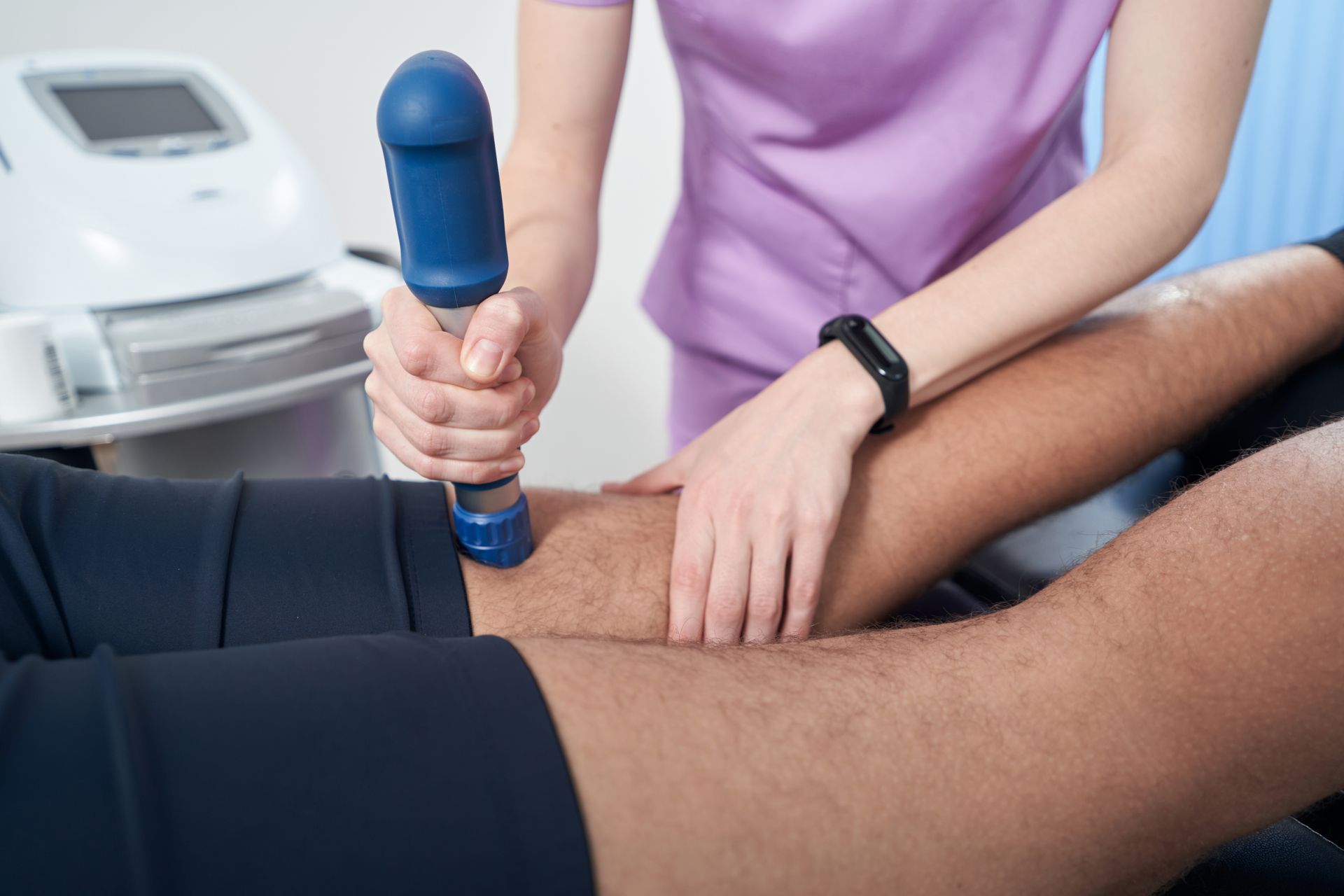
Photo Credit: Envato
Why Proper Evaluation Matters Before Shockwave Therapy
Radial shockwave therapy is a powerful tool, but it is not appropriate for every type of pain. Successful outcomes depend heavily on accurate diagnosis and understanding the true source of symptoms. At Olathe Chiropractic, we do not apply advanced treatment without first identifying whether the tissue pathology supports its use.
Chronic tendon pain can be caused by multiple factors. In some cases, inflammation is the primary driver. In others, there may be degenerative changes within the tendon, altered load distribution, joint restriction, or faulty movement mechanics contributing to persistent irritation. Applying shockwave therapy without addressing these underlying contributors may limit effectiveness.
Before recommending treatment, we perform a detailed clinical evaluation that includes:
- Assessment of joint mobility and alignment
- Analysis of movement patterns
- Identification of load imbalances
- Evaluation of tissue sensitivity and chronicity
- Review of previous treatments and response
This process helps determine whether your condition reflects acute inflammation, chronic degeneration, or a combination of both.
Shockwave therapy is most effective when degenerative tendon changes are present and the tissue requires mechanical stimulation to restart the healing process. If evaluation findings suggest another primary cause, we adjust the treatment plan accordingly. This ensures that care is targeted, efficient, and clinically appropriate.
Integration Into A Structured Treatment Plan
Shockwave therapy at Olathe Chiropractic is not used as a standalone quick fix. It is integrated into a broader strategy that may include:
- Biomechanical correction through chiropractic adjustments
- Mobility restoration
- Load management education
- Strength progression when appropriate
- Ongoing reassessment of tissue response
By combining tissue stimulation with correction of joint mechanics, we reduce the stress that originally contributed to the injury. This dual approach improves both healing and long-term resilience.
Precision Over Volume
Some clinics apply shockwave therapy broadly to any painful area. Our philosophy is different. We focus on precision and clinical justification. Treatment is recommended only when findings clearly support its use.
This approach ensures:
- Appropriate patient selection
- Better clinical outcomes
- Efficient use of advanced technology
- Clear expectations and measurable progress
Advanced technology should enhance care, not replace thoughtful diagnosis.
What To Expect During Radial Shockwave Therapy
Radial shockwave therapy at Olathe Chiropractic is delivered in a controlled, clinical setting and is tailored specifically to the condition being treated. Before beginning, we review your diagnosis, explain the objective of treatment, and outline what you should expect during and after each session.
Treatment is performed using a handheld applicator that delivers focused acoustic pulses directly into the affected tissue. These pulses penetrate the soft tissue and create controlled mechanical stimulation designed to activate cellular repair mechanisms.
Sessions typically last between 10 and 15 minutes per treatment area, depending on the size and severity of the condition. Because the energy is delivered directly into irritated tissue, most patients describe the sensation as intense but manageable. The intensity is adjusted based on tissue tolerance and therapeutic goals, ensuring that treatment remains effective while maintaining comfort.
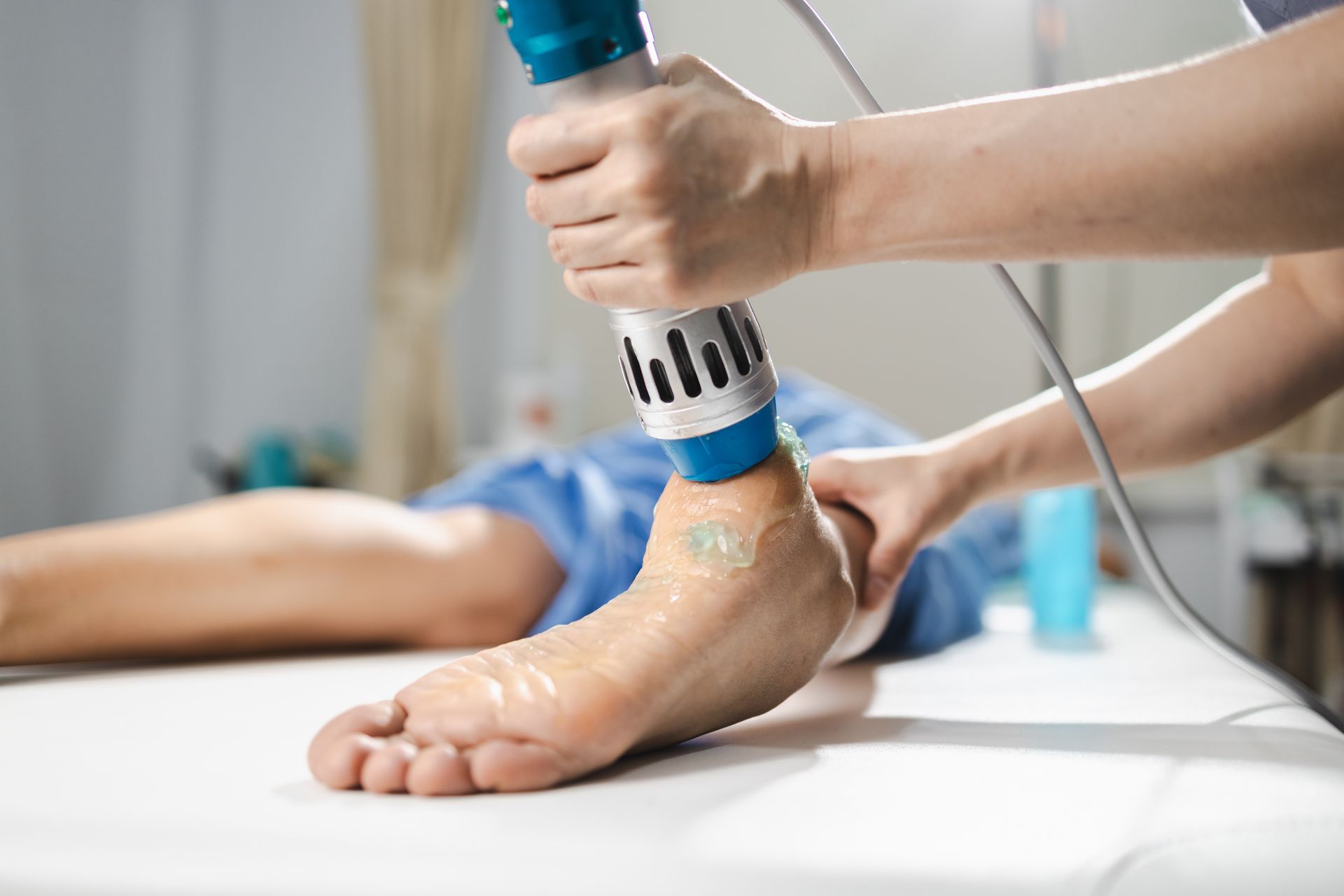
Photo Credit: Envato
What You May Feel During Treatment
During the session, you may experience a tapping or pulsing sensation over the affected area. Areas with greater degeneration or sensitivity may feel more tender. This is often an indication that the acoustic waves are targeting dysfunctional tissue.
We continuously monitor your comfort level and adjust the settings as needed. Our goal is to provide sufficient stimulus to activate healing while keeping the experience tolerable and controlled.
What Happens After Treatment
Immediately following treatment, mild redness or temporary soreness in the treated area is normal. This is a sign that circulation has increased and that the healing response has been activated.
Unlike invasive procedures, shockwave therapy does not require anesthesia, injections, or extended downtime. Most patients resume normal daily activities the same day. However, we may recommend temporarily modifying high-impact or repetitive loading activities to allow optimal tissue response.
Treatment Frequency and Progress Monitoring
Shockwave therapy is typically delivered as part of a structured series of treatments. Chronic tendon conditions respond best to repeated stimulation spaced over several weeks, allowing time for collagen remodeling and tissue strengthening between sessions.
Throughout your care, we reassess:
• Pain levels
• Range of motion
• Functional capacity
• Tissue tolerance
This ensures progress is measurable and that the treatment plan is adjusted when necessary.
Integrated Care for Stronger Outcomes
At Olathe Chiropractic, shockwave therapy is not used in isolation. It is often combined with:
• Biomechanical correction
• Joint mobility restoration
• Postural improvement strategies
• Gradual return-to-activity guidance
By addressing both tissue health and mechanical stress, we improve not only symptom relief but long-term resilience.
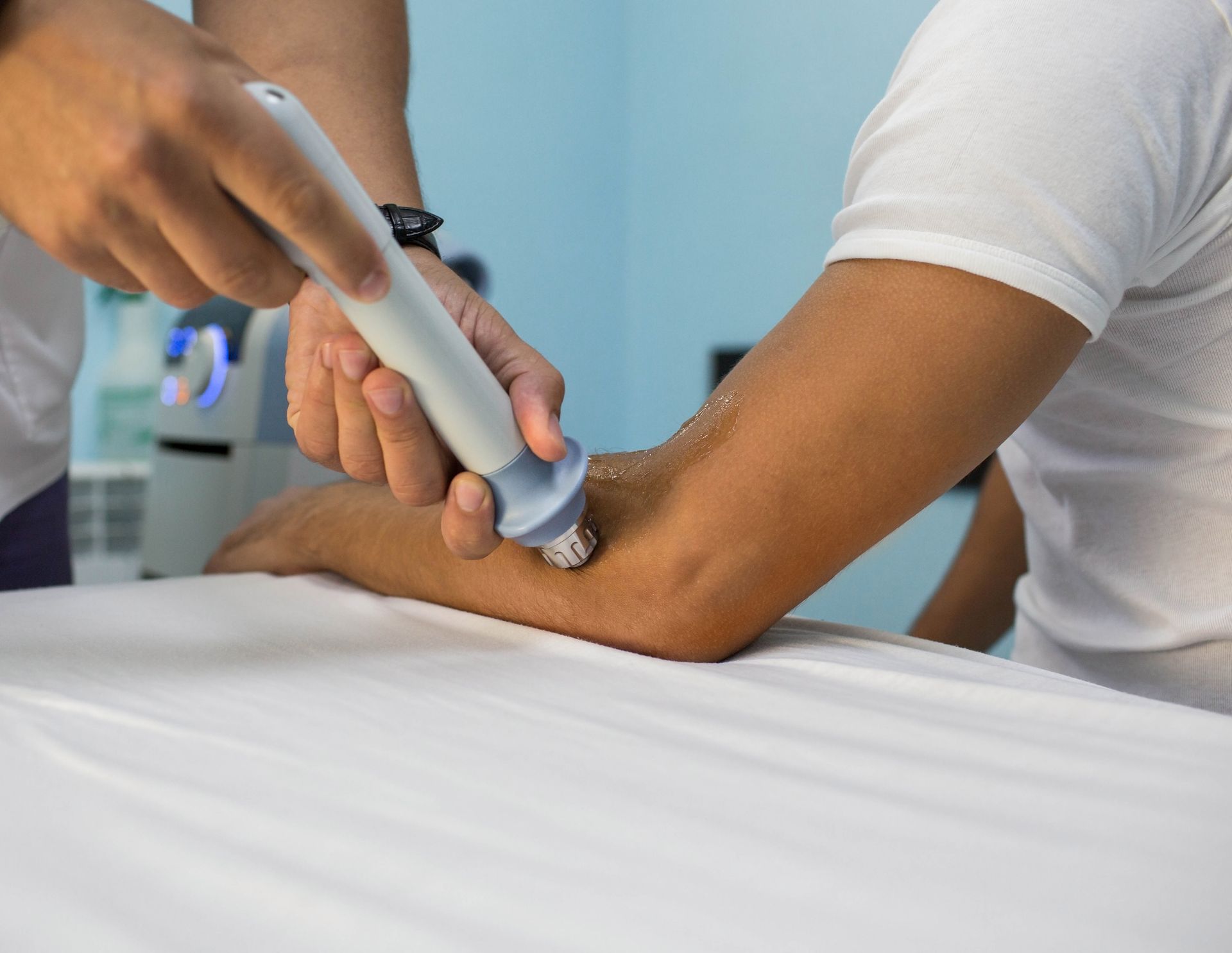
Photo Credit: Envato
Why Choose Olathe Chiropractic for Radial Shockwave Therapy?
Radial shockwave therapy is only as effective as the evaluation and strategy behind it. While many clinics offer shockwave as an add-on service, the difference lies in how and why it is used.
At Olathe Chiropractic, shockwave therapy is not applied simply because pain is present. It is recommended only when a detailed assessment confirms that chronic tendon degeneration or soft tissue dysfunction is the primary driver of symptoms. This precision ensures treatment is purposeful, not generalized.
Clinical Decision-Making, Not Trend-Based Treatment
Advanced technology should enhance clinical judgment — not replace it. Some providers promote shockwave therapy broadly for nearly any musculoskeletal complaint. Our approach is different.
Before recommending shockwave therapy, we determine:
• Whether the tissue is degenerative or inflammatory
• Whether joint mechanics are contributing to overload
• Whether movement dysfunction must be corrected first
• Whether shockwave will meaningfully improve healing capacity
If findings suggest another primary cause, we adjust the treatment plan accordingly. This prevents unnecessary procedures and ensures care is based on clinical reasoning rather than convenience.
Integrated Mechanical Correction
Tendon and fascia problems rarely develop in isolation. They are often the result of repetitive overload caused by joint restriction, alignment imbalance, or poor movement patterns.
At Olathe Chiropractic, shockwave therapy is integrated into a broader plan that may include:
• Chiropractic adjustments to restore joint mobility
• Postural correction strategies
• Load management education
• Gradual strengthening progression
• Ongoing reassessment of tissue response
By correcting both the damaged tissue and the mechanical stress contributing to it, we improve not only short-term relief but long-term resilience.
Measurable Progress and Clear Expectations
We believe advanced treatment should come with measurable outcomes. Throughout care, we monitor improvements in:
• Pain intensity
• Range of motion
• Functional tolerance
• Tissue sensitivity
Patients receive clear expectations regarding treatment frequency, expected timelines, and activity modification. There are no vague recommendations or indefinite plans.
Advanced Technology Delivered with Professional Structure
Shockwave therapy is a powerful tool, but without structure it becomes just another procedure. Our clinic is built around thorough evaluation, clear communication, and goal-oriented care.
This structured approach allows us to:
• Select appropriate candidates
• Deliver targeted treatment
• Monitor response objectively
• Adjust plans when necessary
• Maintain professional accountability
For patients in Olathe and throughout the Kansas City metro area seeking advanced, non-invasive options for chronic tendon and soft tissue pain, Olathe Chiropractic provides both the technology and the clinical framework to support meaningful recovery.
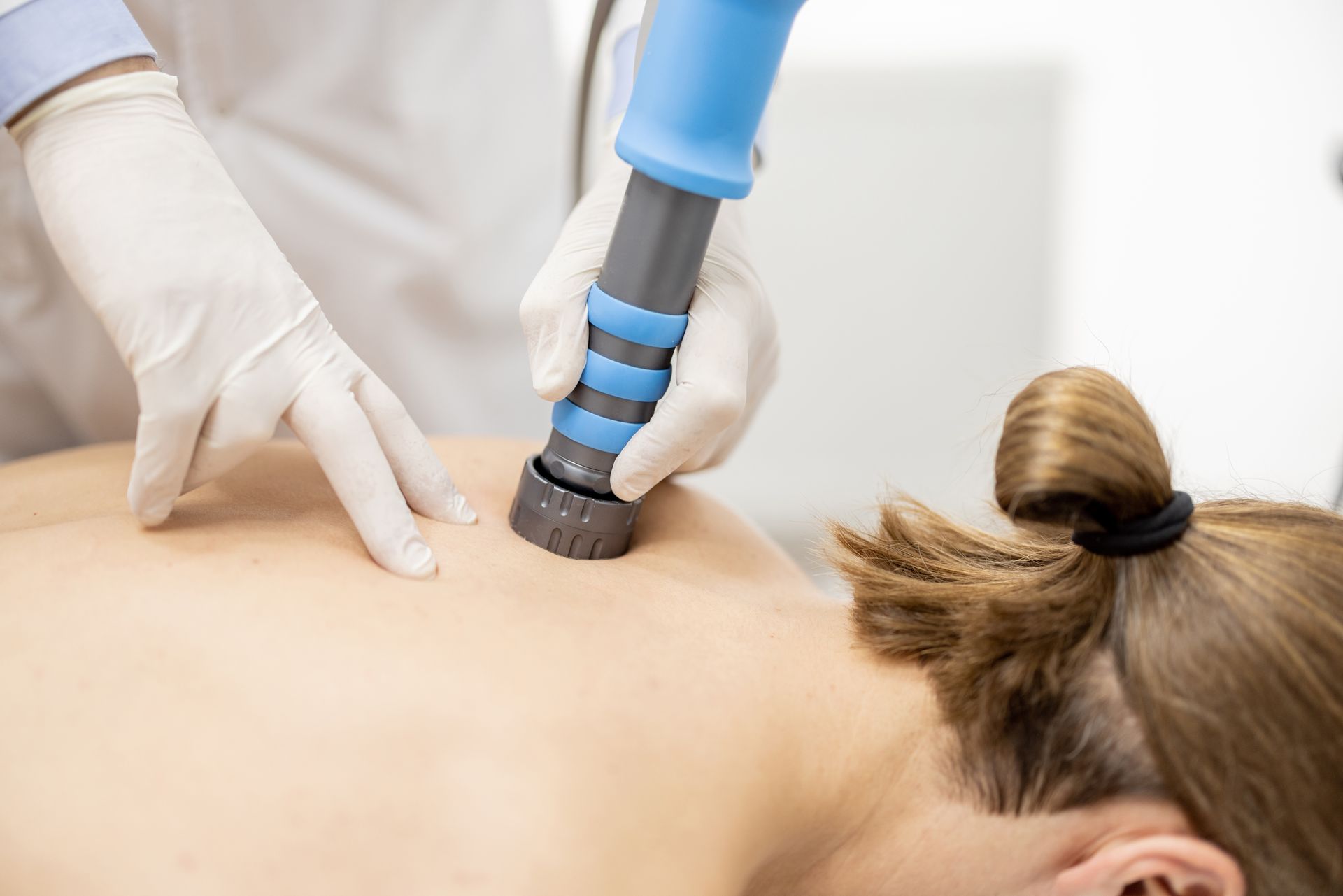
Photo Credit: Envato
Frequently Asked Questions
How many shockwave therapy treatments will I need?
The number of treatments depends on the severity, duration, and underlying cause of your condition. Chronic tendon conditions such as plantar fasciitis or Achilles tendonitis often require a structured series of treatments spaced over several weeks to stimulate proper tissue remodeling. Degenerative tissue does not repair overnight — it responds gradually to repeated stimulation. During your evaluation at Olathe Chiropractic, we assess the stage of tissue irritation and create a treatment plan based on your specific findings. Our goal is to deliver enough therapeutic stimulus to activate healing without overloading the tissue.
When Will I Start Noticing Results?
Some patients notice early symptom improvement after the first few sessions, especially when inflammation is the primary driver of pain. However, shockwave therapy works by promoting cellular repair and collagen regeneration, which occurs progressively over time. For chronic tendon degeneration, noticeable improvement often develops gradually as tissue remodeling takes place. Because this is a regenerative process rather than temporary pain suppression, the timeline varies based on how long the condition has been present and how consistently the treatment plan is followed.
Is Radial Shockwave Therapy Painful?
Shockwave therapy can feel intense during application because it delivers focused acoustic energy directly into irritated tissue. However, the sensation is brief and controlled. Most patients describe it as uncomfortable but tolerable. We adjust intensity based on your condition and comfort level while ensuring the treatment remains therapeutically effective. Any post-treatment soreness is typically mild and short-lived, similar to what you might experience after deep tissue work or starting a new strengthening program.
Is There Any Downtime After Treatment?
One of the advantages of radial shockwave therapy is minimal downtime. Most patients return to normal daily activity immediately following treatment. In some cases, mild soreness or temporary sensitivity may occur in the treated area. We may recommend modifying high-impact activity for a short period to allow the tissue to respond optimally to the therapy. Our goal is to stimulate healing without disrupting your daily responsibilities.
How Is Shockwave Therapy Different from Traditional Chiropractic Treatment?
Traditional chiropractic adjustments focus on restoring proper joint motion and spinal alignment. Shockwave therapy targets soft tissue — specifically tendons, fascia, and chronically irritated muscle attachments. At Olathe Chiropractic, we integrate both approaches when appropriate. Correcting joint mechanics reduces stress on the tissue, while shockwave therapy stimulates regeneration within the damaged structure. Combining biomechanical correction with tissue regeneration often produces stronger and more sustainable outcomes than either approach alone.
Who Is A Good Candidate for Radial Shockwave Therapy?
Shockwave therapy is often recommended for patients dealing with chronic tendon or soft tissue pain that has not improved with rest, stretching, ice, or standard conservative care. It is particularly effective when imaging or clinical evaluation suggests tendon degeneration rather than acute inflammation alone. During your evaluation, we determine whether your condition is appropriate for this technology. Not every patient requires shockwave therapy, and we only recommend it when findings support its use.
Is Shockwave Therapy Safe?
Radial shockwave therapy is non-invasive and does not involve injections or surgery. It has been widely studied for conditions such as plantar fasciitis, tennis elbow, and chronic tendinopathy. Because it stimulates natural healing mechanisms rather than masking pain signals, it is considered a conservative yet advanced option for persistent soft tissue conditions. As with any treatment, proper evaluation is essential to ensure it is appropriate for your specific diagnosis.
Why Choose Olathe Chiropractic for Shockwave Therapy?
Many clinics advertise shockwave therapy as a standalone procedure. At Olathe Chiropractic, it is part of a structured plan based on detailed biomechanical evaluation. We assess movement patterns, joint mechanics, and tissue load before recommending treatment. This ensures that shockwave therapy is not applied randomly but integrated into a comprehensive approach designed to correct the cause of irritation. Our focus is measurable improvement, not simply temporary pain reduction.
$59 Olathe Chiropractic TV Special!
We invite you to try out a consultation and full treatment at Olathe Chiropractic for ONLY $59!
Also Included:
✔ Comprehensive Consultation
with one of our doctors
✔ Full Chiropractic Treatment
utilizing either a "hands-on" or technology based treatment
✔ Full Therapy Session
that may include laser therapy, mechanical traction, electrical muscle stimulation, etc.
Chronic Pain Rarely Improves By Waiting
Tendon and soft tissue conditions that have persisted for months rarely resolve on their own. In many cases, the tissue has entered a degenerative state where natural healing has slowed significantly. Continuing to rest the area or hoping symptoms fade often allows the problem to progress.
Radial shockwave therapy is designed to re-activate the healing process. When combined with proper biomechanical correction and structured care, it provides a targeted approach to restoring tissue integrity and improving load tolerance.
If you have already tried stretching, rest, bracing, or basic therapy without lasting improvement, it may be time for a more advanced solution.
Take Action with Confidence
Your $59 Olathe Chiropractic TV Special gives you an opportunity to begin with clarity and without obligation. If shockwave therapy is appropriate, we will explain why. If it is not, we will guide you toward the correct course of care.
Either way, you leave with answers.
Schedule your evaluation today and take the next step toward faster healing at Olathe Chiropractic.