



The Difference Between Adjustment and Spinal Manipulation

Jeremy Landry • March 28, 2022

Share this article

The Difference Between Adjustment and Spinal Manipulation

Doctor points to a model spine, explaining the anatomy.

Photo Credit: Envato

Understanding chiropractic terminology and what it means for your care.

Many patients hear the terms “adjustment” and “spinal manipulation” used interchangeably. While they are closely related, there are subtle differences in how these terms are used within healthcare. Understanding the distinction can help you feel more confident and informed about your treatment.

At Olathe Chiropractic, we believe clarity builds trust. Let’s break down what these terms mean and how they apply to your care.


What Is Spinal Manipulation?

Spinal manipulation is a broad medical term used to describe a manual technique in which a practitioner applies a controlled force to a joint of the spine. The goal is to improve joint mobility, reduce pain, and restore proper function.

This term is often used in research studies, clinical guidelines, and medical literature. Various healthcare providers may perform spinal manipulation, including chiropractors, some physical therapists, and certain osteopathic physicians. In academic settings, spinal manipulation is the umbrella term used to describe the procedure itself.


What Is A Chiropractic Adjustment?

A chiropractic adjustment is a specific type of spinal manipulation performed by a licensed chiropractor. While the mechanical action may appear similar, the approach is rooted in chiropractic philosophy and clinical evaluation of spinal biomechanics and nervous system function.

An adjustment is typically more precise and targeted. Chiropractors assess joint motion, muscle tension, posture, and neurological function before determining the appropriate area and technique. The adjustment is delivered with controlled force, direction, and amplitude based on the patient’s specific needs.

In short, all chiropractic adjustments are spinal manipulations, but not all spinal manipulations are chiropractic adjustments.


Why The Terminology Matters

In everyday conversation, the terms are often used interchangeably. However, in professional settings, the terminology reflects context and training.

“Spinal manipulation” is the broader clinical term used across healthcare disciplines and research. “Adjustment” reflects the chiropractic-specific application of that technique, often emphasizing joint specificity, neurological considerations, and whole-body alignment.

For patients, the important factor is not the label, but the quality of assessment and precision of care.


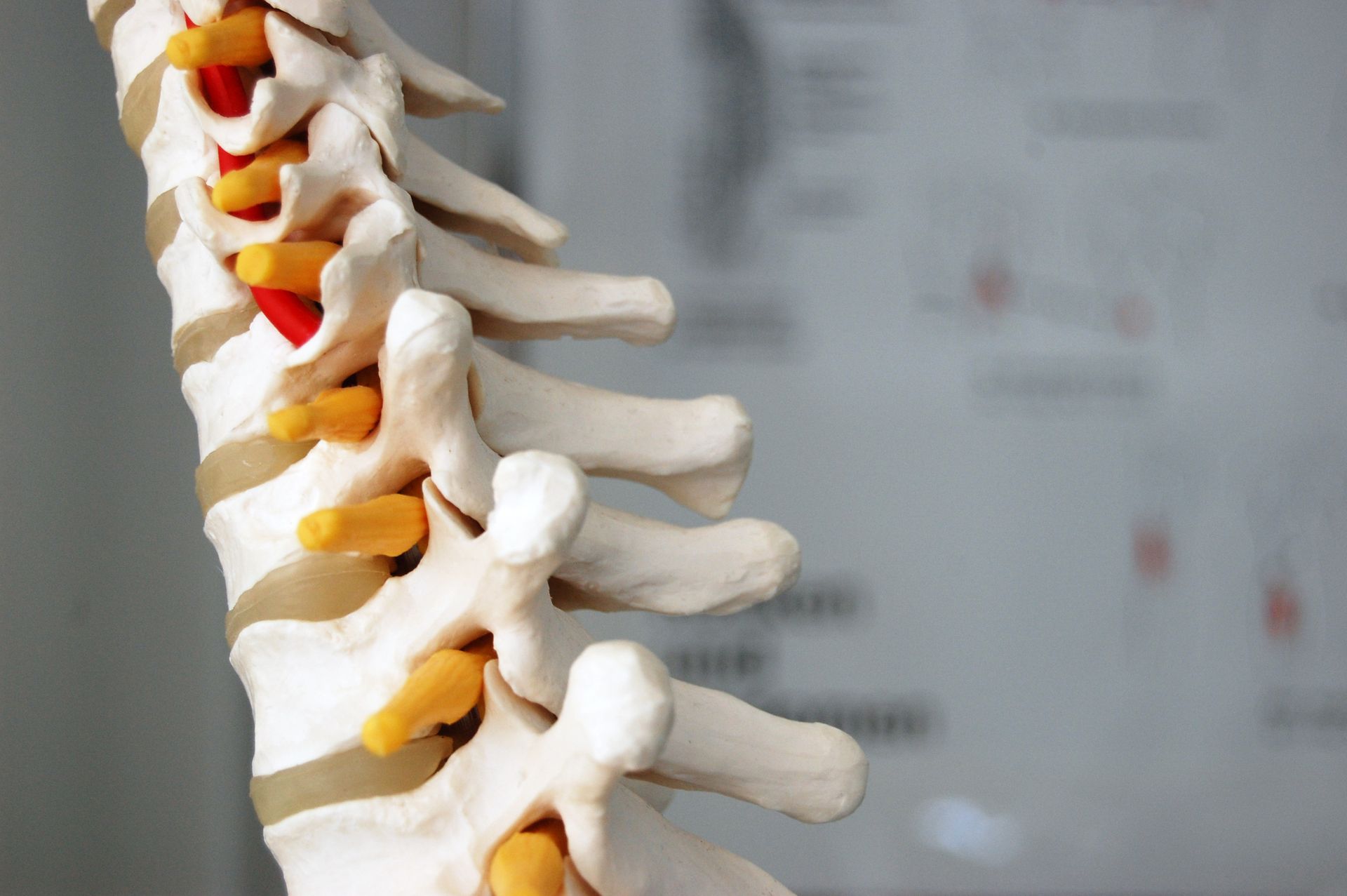
Model of a human spine, showing vertebrae and yellow discs.

Photo Credit: Envato

How Adjustments Improve Function

When a spinal joint becomes restricted or dysfunctional, it can contribute to pain, muscle tightness, and altered movement patterns. A properly delivered adjustment helps restore joint motion and reduce mechanical stress.

Improved joint mobility can lead to decreased inflammation, reduced muscle guarding, and better nervous system communication. Many patients experience relief, improved posture, and enhanced overall movement after an adjustment.

Adjustments are not simply about producing a sound. The audible release sometimes heard during treatment is caused by gas release within the joint and is not required for effectiveness. Many effective techniques involve minimal or no sound at all.


Safety and Personal Training

Chiropractors complete extensive training in anatomy, neurology, biomechanics, radiology, and clinical diagnosis before becoming licensed to perform adjustments. A thorough evaluation is performed prior to treatment to determine whether chiropractic care is appropriate.

When delivered by a trained professional and applied to the right candidate, chiropractic adjustments are considered safe and effective for many musculoskeletal conditions, particularly mechanical back pain and neck pain.


Adjustment Techniques Vary

Not all adjustments look the same. Chiropractors use a variety of techniques depending on the patient’s age, condition, comfort level, and goals. Some techniques involve traditional hands-on thrust methods, while others use instrument-assisted or low-force approaches.

The goal remains consistent: restore motion, improve alignment, and reduce mechanical strain.


The Bottom Line

The difference between an adjustment and spinal manipulation largely comes down to terminology and context. Spinal manipulation is the broad medical term describing the technique. A chiropractic adjustment is a specific, targeted application of that technique performed by a chiropractor following detailed biomechanical evaluation.

At Olathe Chiropractic, we focus on precise, individualized care designed to improve function, reduce pain, and support long-term spinal health. If you have questions about chiropractic adjustments or want to learn whether care is right for you, our team is here to help guide you through the process.


Recent Posts

People exercising on fan bikes in a gym, faces showing exertion.
By Jeremy Landry December 3, 2025
Discover Zone 2 training benefits for fat loss, metabolic health, and longevity. Learn how it improves heart health and endurance at Olathe Chiropractic.

Woman under red and blue LED Celluma light therapy device. Laying down, receiving treatment.
By Jeremy Landry November 19, 2025
Discover FDA-cleared Celluma red light therapy for skin rejuvenation, pain relief, and recovery. Available through Olathe Chiropractic.

Person holding a radial shockwave device, with a machine in the background.
By Jeremy Landry November 14, 2025
Relieve chronic pain and promote healing with radial shockwave therapy at Olathe Chiropractic. Non-invasive treatment that stimulates tissue repair.

Assortment of fruits and vegetables (kiwi, orange, ginger, garlic, etc.) with a
By Jeremy Landry November 13, 2025
Learn natural ways to strengthen your immune system through nutrition, sleep, stress management, and targeted support at Olathe Chiropractic.

Hands gently supporting a child's head. The child lies on a blanket, eyes closed.
By Jeremy Landry August 26, 2023
Learn how chiropractic education compares to medical school. Olathe Chiropractic explains training, safety, and what it means for your care.

A chiropractor adjusting a woman's neck.
By Jeremy Landry June 7, 2022
Discover the truth behind common chiropractic myths. Learn what chiropractic care really does and how it safely supports pain relief and mobility.

Several pairs of feet wearing different shoes hang over a brick wall.
By Jeremy Landry April 22, 2022
Learn how your footwear impacts posture, spinal alignment, and back pain. Discover why proper support matters for long-term spinal health.

Boy smiling as hands gently cradle his head on a treatment table with a white pillow.
By Jeremy Landry March 3, 2022
Learn whether chiropractic care is safe for children and how Olathe Chiropractic uses gentle, age-appropriate techniques for pediatric patients.

Woman sitting on a couch, touching her lower back.
By Jeremy Landry January 31, 2022
Struggling with sciatic pain? Learn how chiropractic care at Olathe Chiropractic can relieve nerve irritation and restore movement safely.

Person seated, holding hands, examining wrist, possibly in pain.
By Jeremy Landry January 3, 2022
Discover how Olathe Chiropractic may help relieve carpal tunnel syndrome through adjustments that improve nerve function and wrist mechanics.
Show More